
Sensory Lab · Gifting
Coffee Gifts for the Person Who Already Has a Ritual
Coffee gifts are harder to get right than they look. The person buying can’t know whether the person opening it owns a grinder, brews through a paper filter, or has used the same French press for fifteen years.
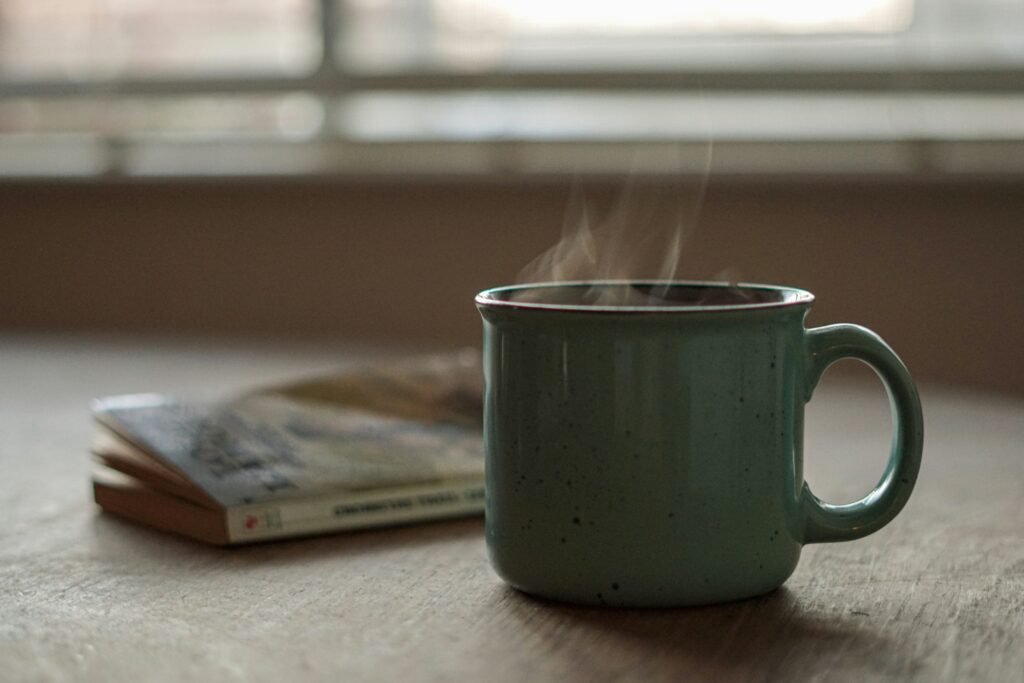
The person you’re buying for already has a morning. A coffee gift doesn’t create one. It improves what is already there, and only if it fits the way they brew. That is true at Christmas and it is true in March.
This guide is written for the one buying, not the one drinking. You don’t need to know coffee. You need to know how they brew, whether they grind their own beans, and what the number printed on a bag is telling you.
What a Cupping Score tells you, and what it doesn’t
A Cupping Score is a rating out of 100, assigned by a certified taster, called a Q Grader, after a standardized tasting known as cupping. Eighty is the line where coffee becomes specialty grade. A bag that prints its score is giving you something you can check.
What a score can’t tell you is whether the person you’re buying for will like the cup. It reflects what gets measured at the cupping table: balance, sweetness, a clean finish. It doesn’t say whether this is the coffee someone wants at six in the morning. For the person who notices what’s in the cup, the score is a reference to compare against their own tasting. For the person who simply wants a better morning, the roast and the brewing method matter more.
If the person you’re buying for already drinks specialty coffee, the score gives them a way to compare this bag with the one on their counter. If they don’t, it tells them the coffee was tasted by someone qualified to judge it.
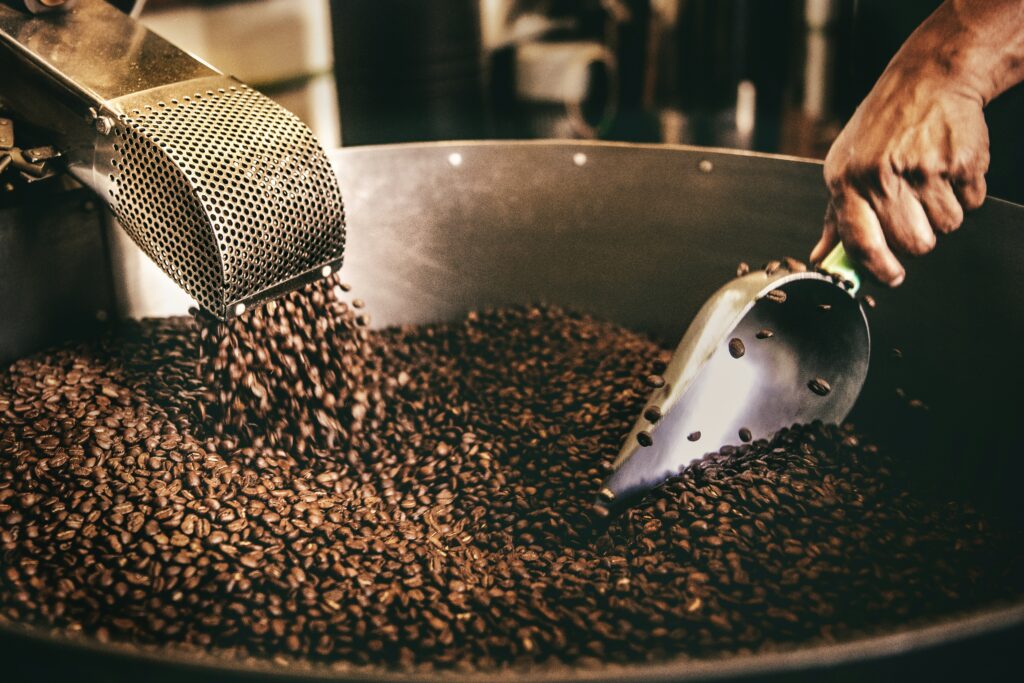
All three coffees are single origin, which means every bean comes from one place. Grown, fermented and roasted at origin in Trujillo, Valle del Cauca. They are 100% Arabica Castillo, grown between 1,550 and 1,900 meters above sea level by more than 100 farming families. Each comes in a 12 oz bag, whole bean or ground, freshly roasted.
Each year, Ritual donates to a community organization in Cali that works with farming families in Trujillo, on missions and education.
Three coffees, three kinds of drinker
The three differ in roast, in flavor, and in the equipment they suit. Choose by how the person brews. The scores run from 84+ to 87+, and the gap is not a ranking of who will enjoy each coffee more. A score is measured at the cupping table; the fit with the brewer is what decides a gift.
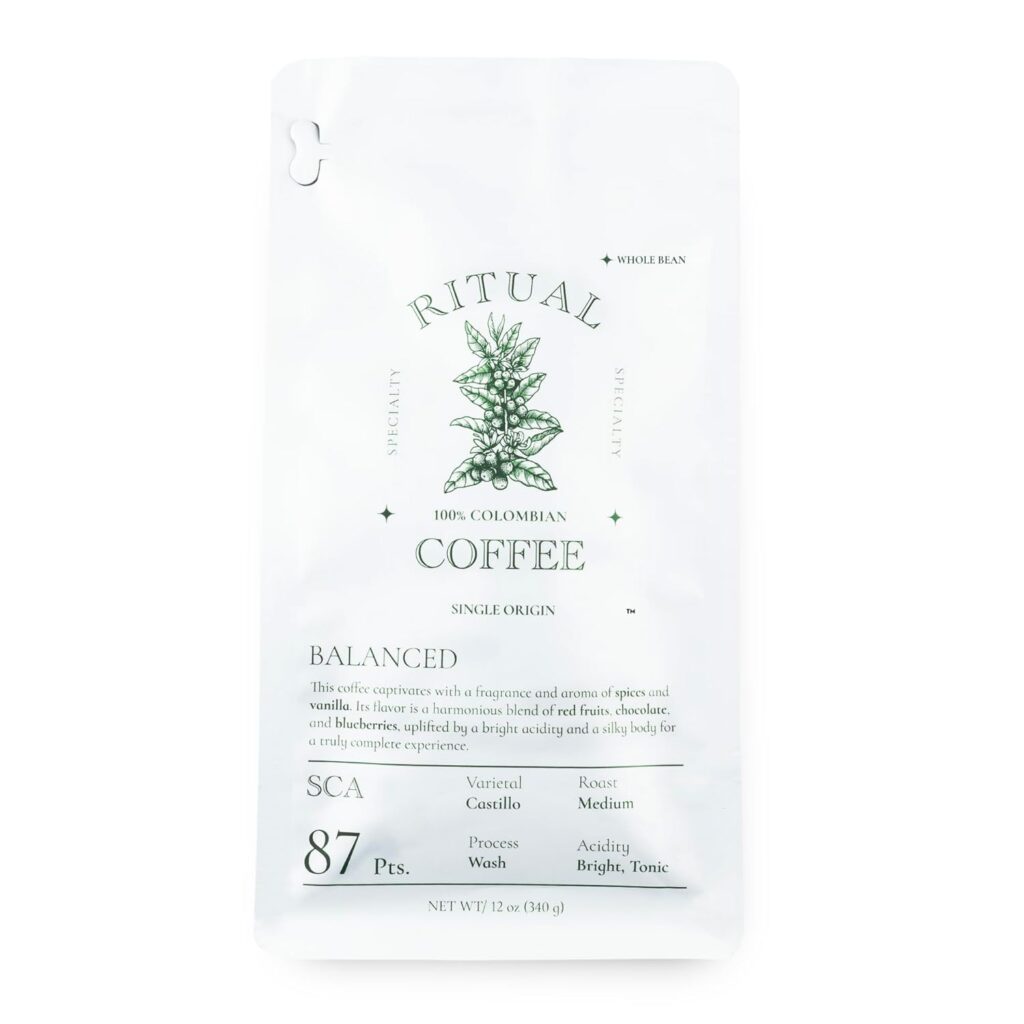
Balanced: Cupping Score 87+
Chocolate, red fruits, blueberry, with a bright acidity and a silky body. Balanced is made for filter brewing and works in immersion too, so pour over, drip and French press all suit it. It is not an espresso coffee. Choose it for the person who owns a V60 or a Chemex, or who has been meaning to.
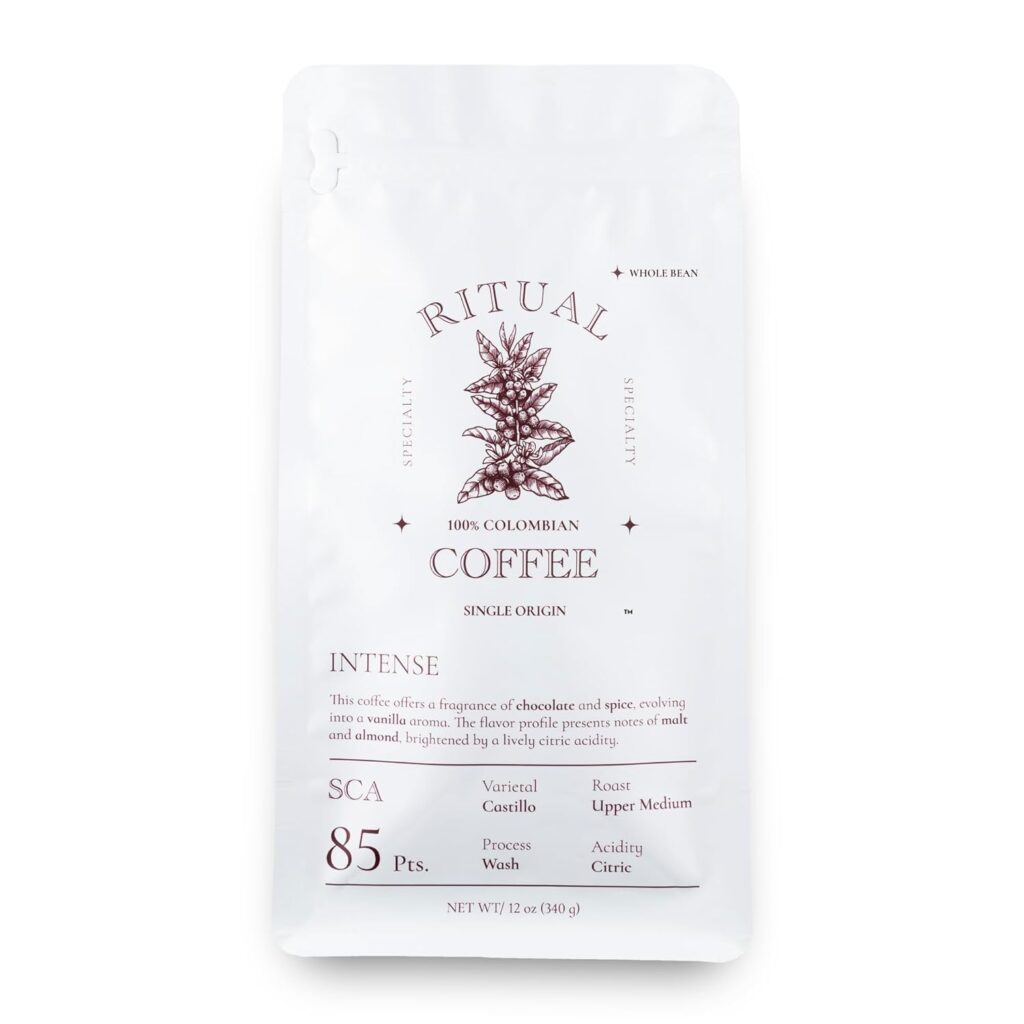
Intense: Cupping Score 85+
Dark chocolate, almond, malt. The roast is more developed than in the other two, and it is built for espresso. It also works in a French press. Choose it for the person with an espresso machine at home, or for someone who simply prefers a darker cup.
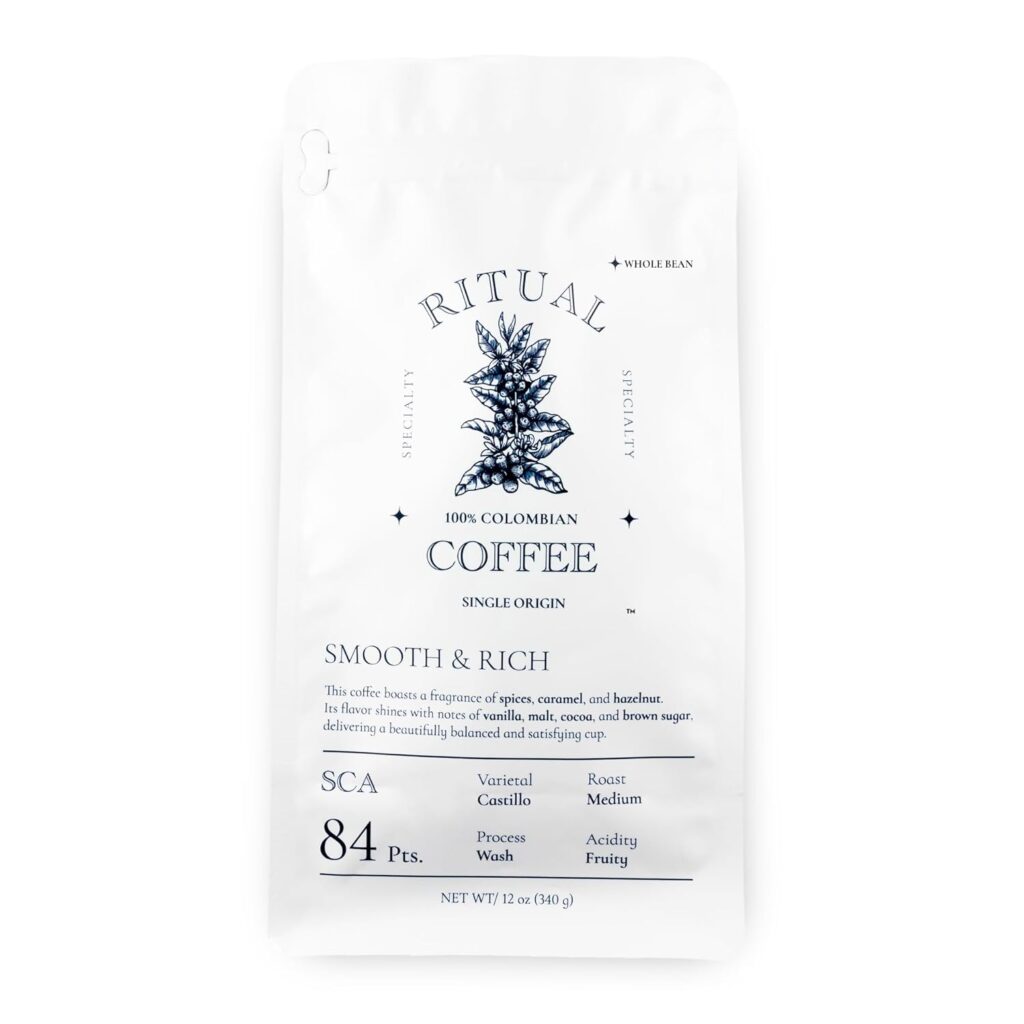
Smooth & Rich: Cupping Score 84+
Caramel, vanilla, cocoa, with a smooth acidity and a creamy body. The most versatile of the three: filter, immersion and espresso all work. Choose it when you don’t know how they brew, or when you know they use more than one method.
The best coffee for gifts is the one that fits what they own
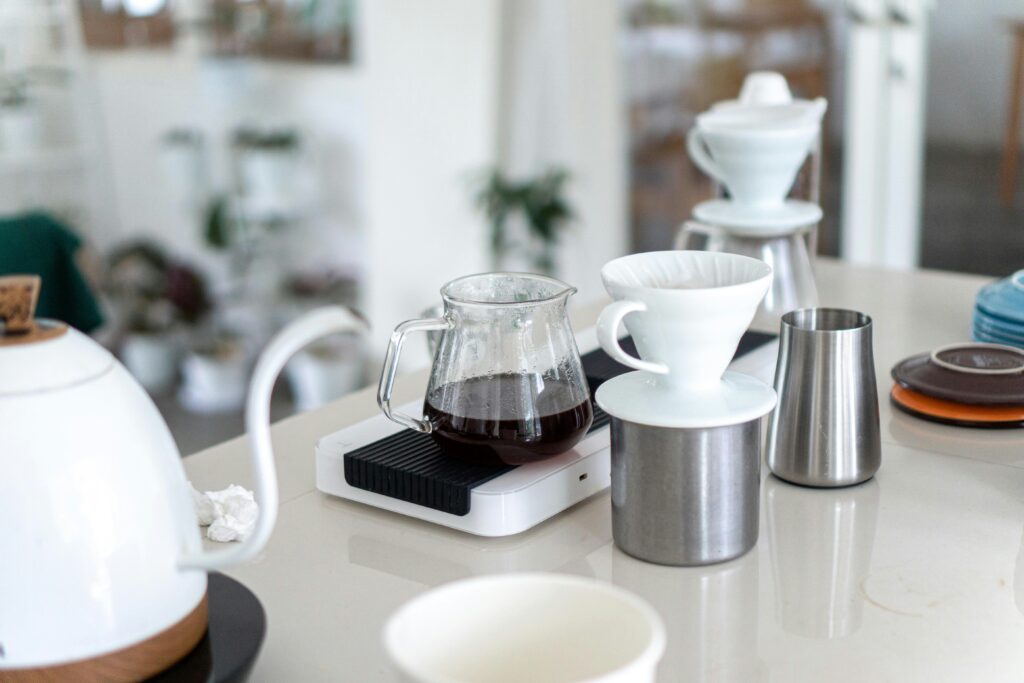
Coffee as a gift fails in one of two ways: the person can’t brew it, or can’t grind it. Both are avoidable.
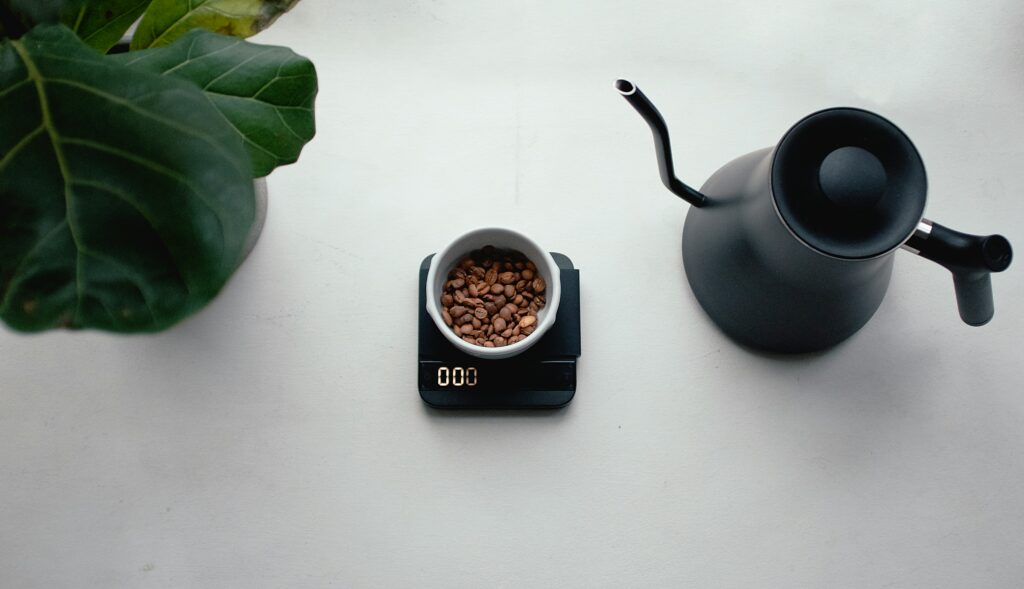
Whole bean if they own a grinder, even a manual one. Whole beans hold their aroma longer, and the person sets the grind for their own method. Ground if you aren’t sure, unless you know they use a French press. Ritual’s ground coffee is a medium to medium-fine grind. It is not made for French press, which needs a coarser grind, so for a French press buy whole bean. Ground coffee is ready on arrival and asks nothing of the person except water. It does age faster than whole bean, because more of its surface meets the air. Once opened, coffee keeps its character longest in a closed bag, somewhere cool and dark.
If they brew with
Choose
Pour over, V60, Chemex or drip
Balanced
An espresso machine
Intense
A French press
Any of the three, as whole bean
More than one method, or you don’t know
Smooth & Rich. Whole bean if they own a grinder, ground if not
A 12 oz bag holds 340 grams of coffee. The Specialty Coffee Association’s Golden Cup standard calls for 55 grams of coffee per liter of water, with a tolerance of 10 percent. For a cup of about 250 milliliters, that is 12 to 15 grams, which makes one bag worth roughly 23 to 28 cups.
If you want to add something to the bag, a burr grinder is the one that matters for anyone who buys whole bean. For a household that makes both a filter coffee and an espresso, two bags work better than one: Balanced for the pour over, Intense for the machine. The home barista starter guide covers what to look for, and Which Coffee Should I Use for My Brewer? covers matching coffee to equipment.
You deserve a better coffee. So does the person you’re buying it for.
All three are in the shopTaste what a verified score means
100% Colombian single origin. Cupping Score 84 to 87, scored by certified Q Graders. Roast date on every bag.
Shop on Amazon