
Low Acid Coffee
What acidity actually means, why some coffee feels harsh on the stomach, and how exceptional specialty coffee becomes naturally smoother without sacrificing flavor.
The Problem Usually Is Not Coffee Itself
Most people searching for low acid coffee are not reacting to brightness or fruitiness. They are reacting to poor-quality beans, harsh roasting, oxidation, and defects hidden inside commercial coffee.
Not All Acidity Is Bad
In specialty coffee, acidity is what creates liveliness and elegance in the cup — the bright citrus of a washed Ethiopian or the smooth apple-like sweetness of high-altitude Colombian coffee.
The harshness most people dislike usually comes from chlorogenic acids, defective beans, stale coffee, or aggressive roasting.

The goal is not removing acidity. The goal is creating the right kind of acidity.
Slow cherry maturation at 1,400+ masl develops sweetness and smooth organic acids instead of harsh bitterness.
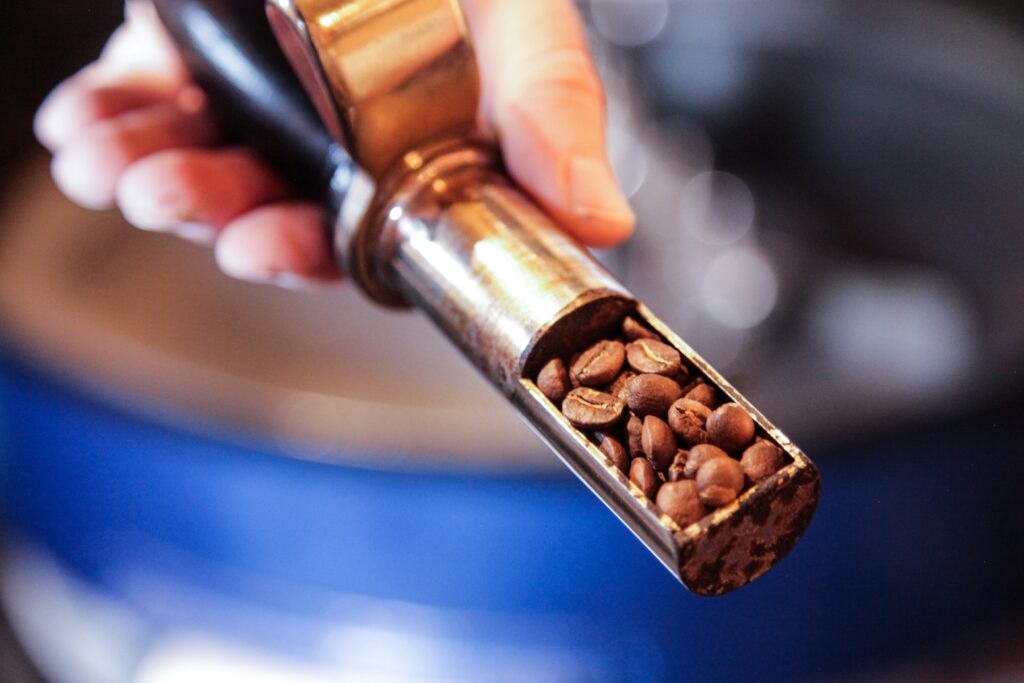
Arabica contains significantly less chlorogenic acid than Robusta while producing more sweetness and complexity.
Clean washed coffees reduce fermentation-related harshness and create transparent, elegant cups.
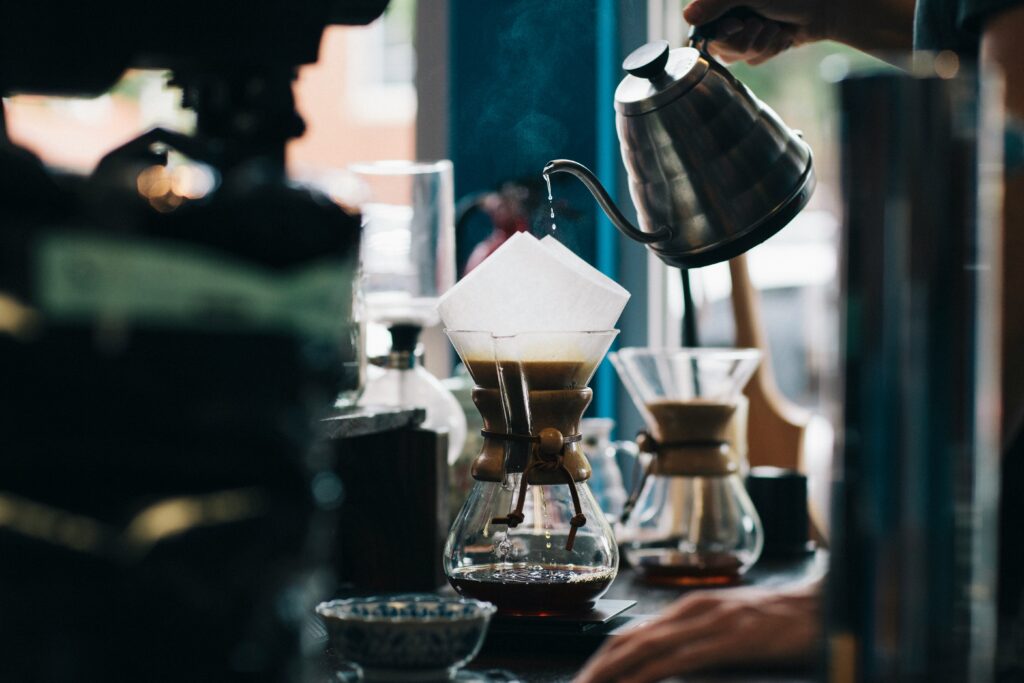
Fresh coffee maintains balance and sweetness. Oxidized stale coffee amplifies bitterness and irritation.
Naturally Smooth Coffee Needs No Gimmicks
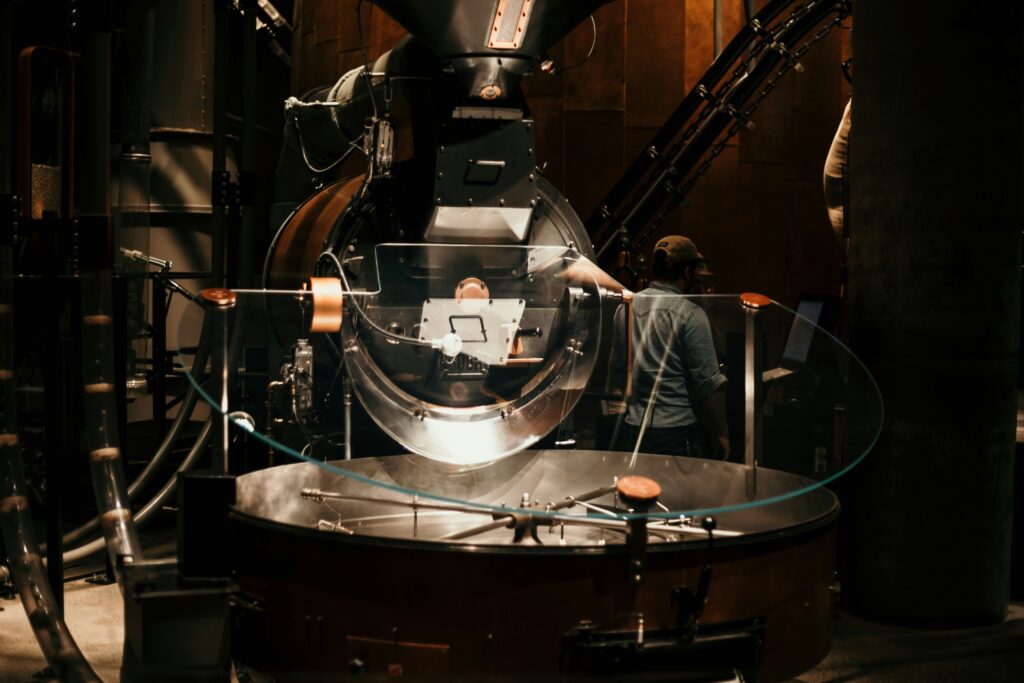
The gentlest coffees are not chemically treated or burnt dark to hide defects. They are simply grown carefully, processed cleanly, roasted intentionally, and served fresh.
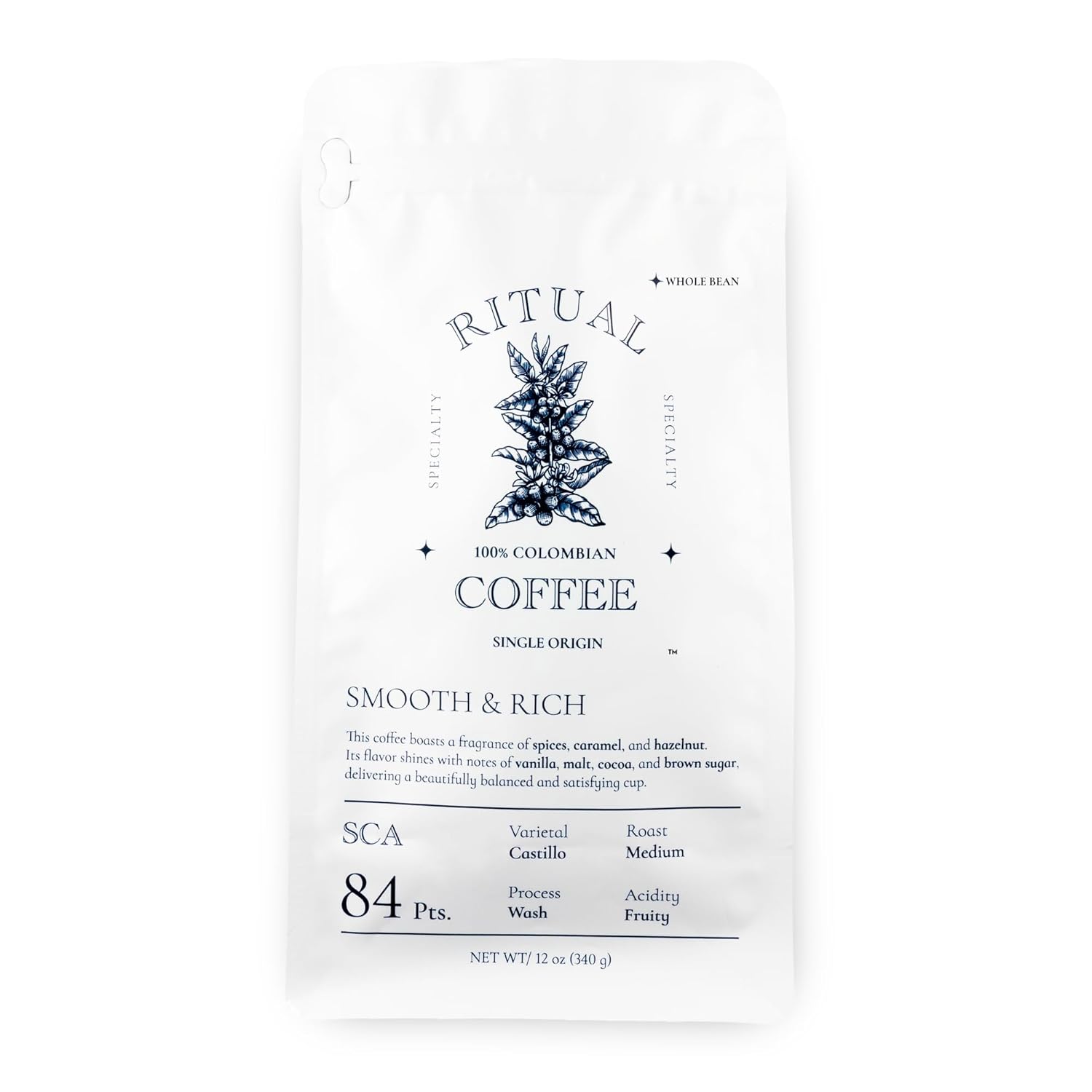

Taste what a verified score means
100% Colombian single origin. Cupping Score 84 to 87, scored by certified Q Graders. Roast date on every bag.
Shop on Amazon