You adjust the water temperature tomorrow. You try a different coffee-to-water ratio the next day. But nothing changes. The metallic, burnt aftertaste remains.
The problem was never your brewing method. The problem was inside the bag before you ever opened it.
The commercial coffee industry has spent decades perfecting a logistical system designed to prioritize shelf stability, mass distribution, and cost efficiency over flavor. Understanding how that system works reveals why the price gap between supermarket beans and genuine specialty coffee is not what it appears to be.
The Science of the Roast: What "Burnt" Actually Means
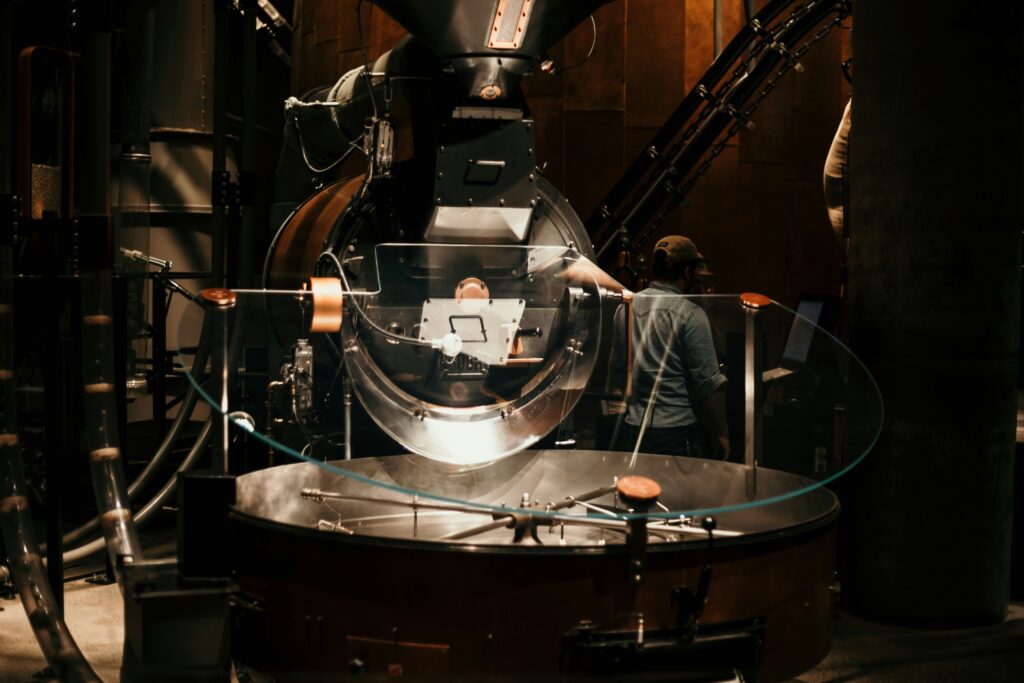
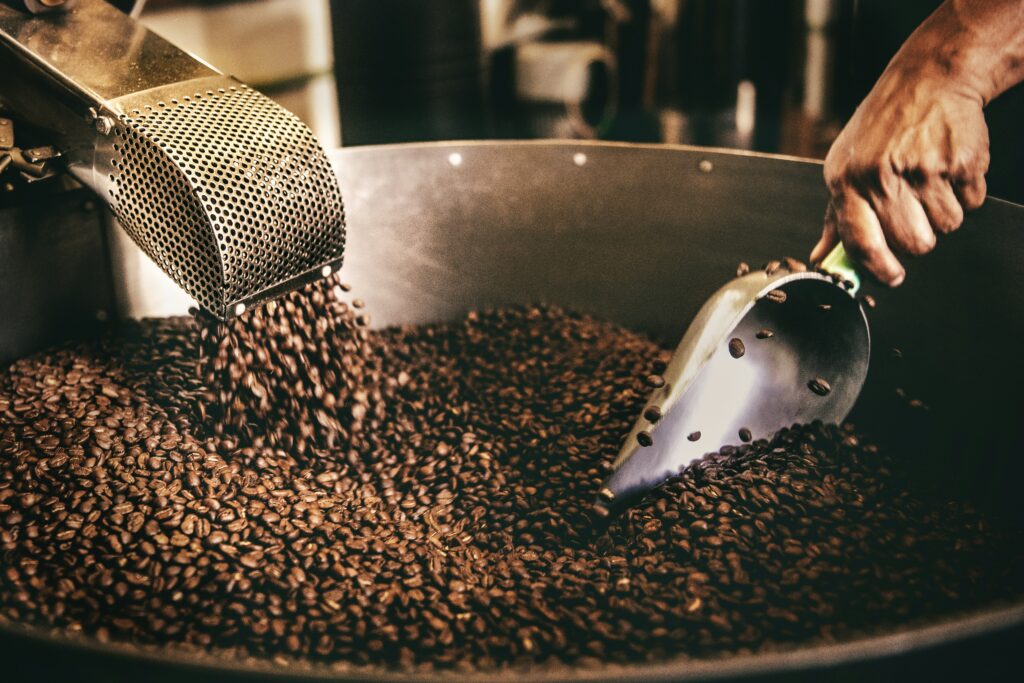
To understand why commercial coffee tastes the way it does, we must first look at the chemistry of roasting. Roasting transforms a dense, green seed into the aromatic brown bean we recognize through the Maillard reaction and caramelization.
In a carefully managed specialty roast, heat is applied precisely to develop the bean's intrinsic organic acids and sugars. The goal is to balance origin characteristics—like the bright citric notes of high-altitude Colombian soils.
However, when coffee is pushed past a stage known as the "second crack," the internal temperature exceeds 430°F (220°C). Caramelization shifts into pyrolysis (thermal decomposition). The delicate fruit acids are incinerated. The complex sugars carbonize.
The Dark Roast Strategy: Hiding Defects in Plain Sight
Why would commercial coffee companies intentionally burn their product? It is not an accident; it is a calculated manufacturing decision.
The Specialty Coffee Association (SCA) established strict physical grading standards. Coffee that fails these thresholds is downgraded to commercial-grade. A 350-gram sample of specialty green coffee must contain zero primary defects, which include:
Fully Black Beans
Beans that have rotted inside the cherry, introducing a fermented, foul taste.
Fully Sour Beans
Bacterial fermentation causing sharp, vinegar-like flavors.
Foreign Matter
Sticks, stones, or soil that made it through the sorting process.
Commercial megabrands buy what is cheap. If you lightly roasted commercial-grade coffee, the cup would be chaotic and foul. The solution? Aggressive dark roasting. They roast dark enough to carbonize those physical defects into a uniform, masking bitterness.
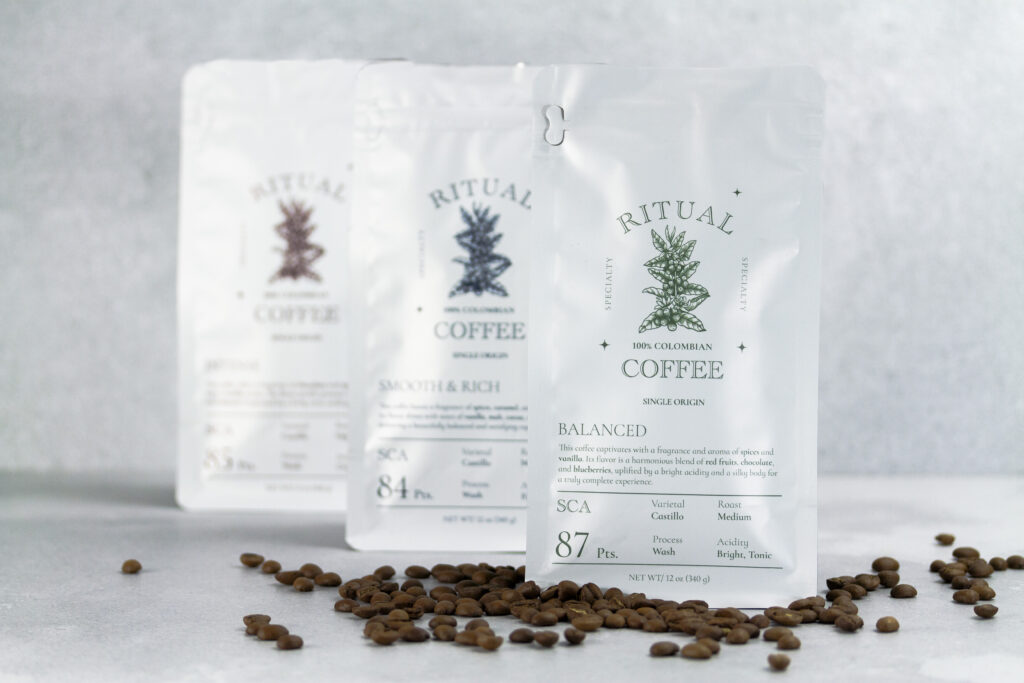
A specialty coffee scored at 84 to 87 points on the SCA scale has already passed these barriers. It does not need dark roasting to mask anything.
The Logistics of Staleness
Pick up a bag of commercial coffee. You will likely find an expiration date set 12 to 18 months in the future. What you will almost never find is the actual date the coffee was roasted.
Coffee is a baked agricultural product. Once roasted, it begins a relentless aging process dictated by degassing (loss of CO2) and oxidation (exposure to oxygen). Consider the timeline of a supermarket bag:
The Commercial Timeline
Roasted in a massive industrial facility.
Sits in a packaging warehouse for weeks.
Shipped across the country to a regional distribution center.
Waits in the backroom of a grocery store.
Finally makes it to the brightly lit aisle months later.
By the time you purchase it, the coffee is a hollow shadow of what it once was. Specialty roasters operate differently: coffee is roasted in small batches, packaged within hours, and shipped directly to you with the roast date clearly printed.
The Packaging Gap: Engineering Freshness
Most commercial coffee is packaged in porous kraft paper or thin plastics. Over time, they allow oxygen and moisture to penetrate.
For high-end specialty coffee exported internationally, the packaging must act as a fortress. The standard is a three-layer composite structure utilizing MOPP for structural integrity, VMPET as an absolute shield against UV light and oxygen, and PE for an airtight thermal seal.
Equally critical is the one-way degassing valve and the resealable zipper. None of this is marketing fluff; it is applied preservation science.
The Price Illusion
In recent years, the C-Market for commercial green coffee has skyrocketed due to climate disruptions. A standard bag of commercial coffee that once cost $8 is now $13 or $15.
Specialty coffee operates outside this volatile market via direct sourcing. The price gap has shrunk dramatically. Today, the difference is often just eight to ten dollars per bag. Divided across 20 cups, that premium is about fifty cents per cup. For half a dollar more per morning, you transition from a product designed to be "not rancid" to an agricultural delicacy.
A Buyer's Checklist for Real Quality
A Visible Roast Date
Look for "Roasted On," not a "Best By" date. If it's missing, the roaster doesn't want you to know how old it is.
A Cupping Score
The only objective quality measurement. Coffees scoring 84–87 offer beautiful complexity and sweetness.
Single Origin Traceability
Genuine specialty tells you the specific region, altitude, and processing method, guaranteeing custody.
Proper Packaging
Look for a high-barrier composite bag, a one-way degassing valve, and an airtight zipper.
Frequently Asked Questions
Why does my coffee taste bitter even with milk?
Bitterness comes from carbonized plant fibers and extreme over-extraction during the roasting process. Milk can mask acidity, but it cannot hide the ashy, burnt flavors created past the second crack.
Does dark roast coffee have more caffeine?
No. The "strong" flavor is often confused with high caffeine. The roasting process actually burns off slight amounts of caffeine. Light and medium roasts are denser and contain slightly more caffeine.
Can I fix burnt-tasting coffee?
Unfortunately, you cannot un-burn a coffee bean. Adjusting brewing variables will only yield minor improvements. The true fix is upgrading the quality of the beans.