The Botanist's Cup
A Guide to Colombia's Coffee Varietals
If you have ever wondered why two coffees from the same country, the same region, and even the same altitude can taste dramatically different, the answer begins with genetics. The varietal of a coffee plant establishes the fundamental blueprint for what is possible in the cup.
Colombia's position as one of the world's most celebrated coffee origins is not accidental. The country's staggering geographic diversity creates an environment where multiple coffee varietals thrive in conditions that push their genetic potential to its limit.
The Geography Behind the Cup
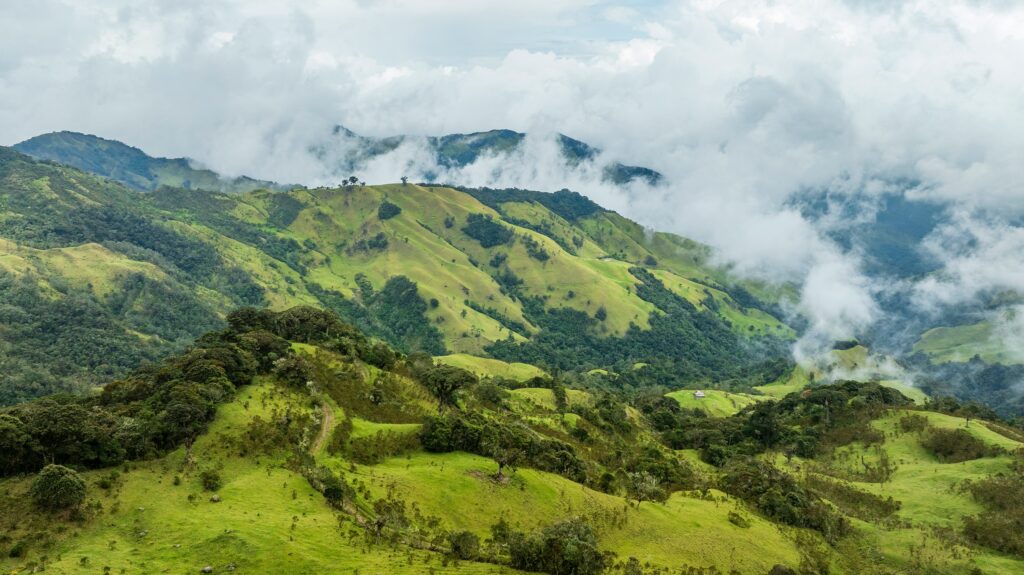
Colombia's mountainous topography creates thousands of unique microclimates for coffee cultivation. Elevation, rainfall, volcanic soil composition, and temperature variation all influence how a varietal expresses itself in the final cup.
In regions like Huila, coffees often develop bright acidity and floral complexity. Nariño's extreme altitudes produce intense sweetness and citrus clarity, while Cauca is recognized for balanced structure and deep chocolate undertones.
These environmental variables interact directly with genetics, creating dramatically different flavor experiences from one region to another.
Huila
High elevations and volcanic soils produce expressive acidity, floral aromatics, and layered sweetness.
Nariño
Extreme altitude near the equator creates dense beans with vibrant citrus character and refined sweetness.
Cauca
Known for balanced cups with silky body, cocoa depth, and structured sweetness.
Taste what a verified score means
100% Colombian single origin. SCA 84–87 points, cupped and scored. Roast date on every bag.
Shop on Amazon