The Country That Made Coffee Personal
A History of Colombian Coffee
In 1835, the first recorded export of Colombian coffee left the port of Cúcuta headed for the United States. The shipment was small — a few hundred bags — and nobody paid much attention. Coffee was already grown across Latin America, and Colombia was not yet a name that carried weight in the commodity markets of New York or Hamburg.
Two centuries later, "Colombian coffee" is one of the most recognized food designations on the planet. It appears on supermarket shelves in forty countries, in the branding of multinational chains, and in the mental map of anyone who has ever thought seriously about where their coffee comes from. That recognition did not happen naturally. It was built — sometimes brilliantly, sometimes cynically — through policy, marketing, geography, and, eventually, genuine quality.
Why Colombia, Geographically Speaking
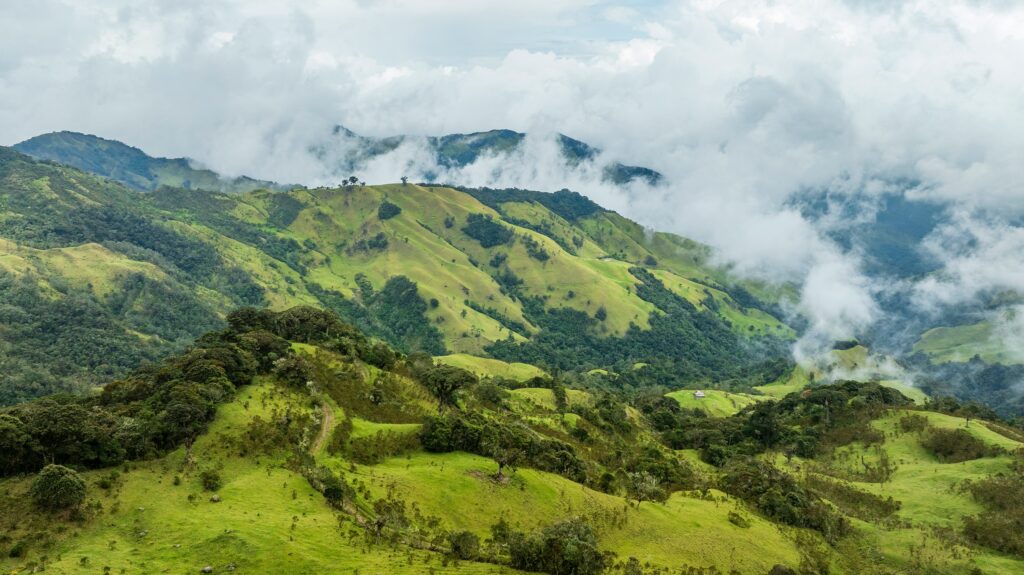
The starting point is physical. Colombia occupies a position on the map that is almost absurdly well suited to growing arabica coffee. The country sits directly on the equator, which means consistent day length and temperature throughout the year. But the Andes — the three cordilleras that run north through the western half of the country — create thousands of microclimates at different altitudes, aspects, and rainfall patterns.
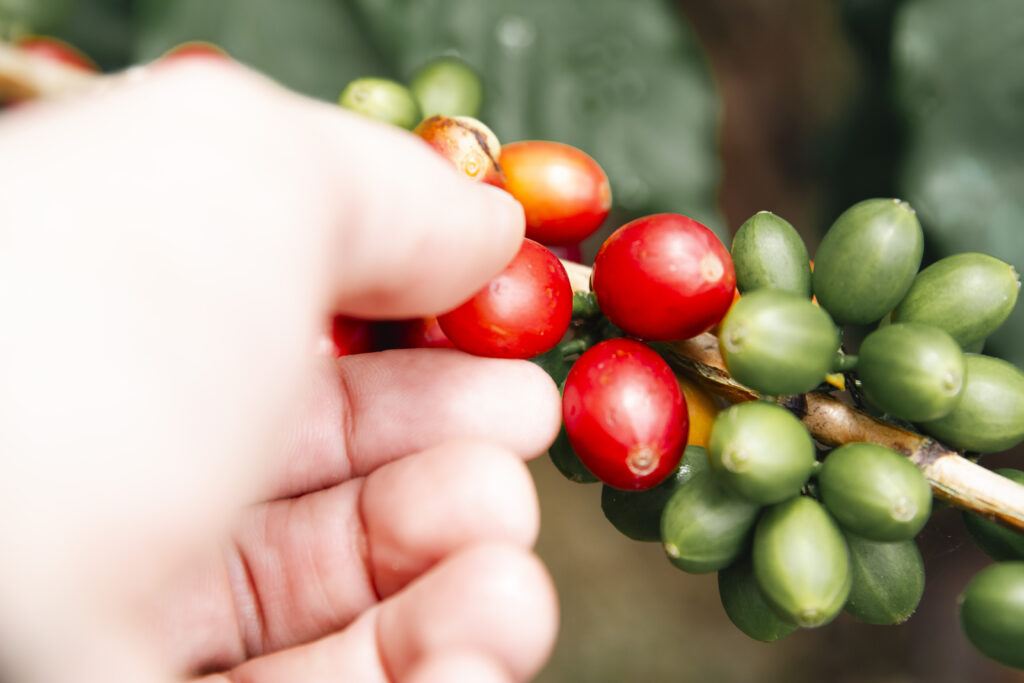
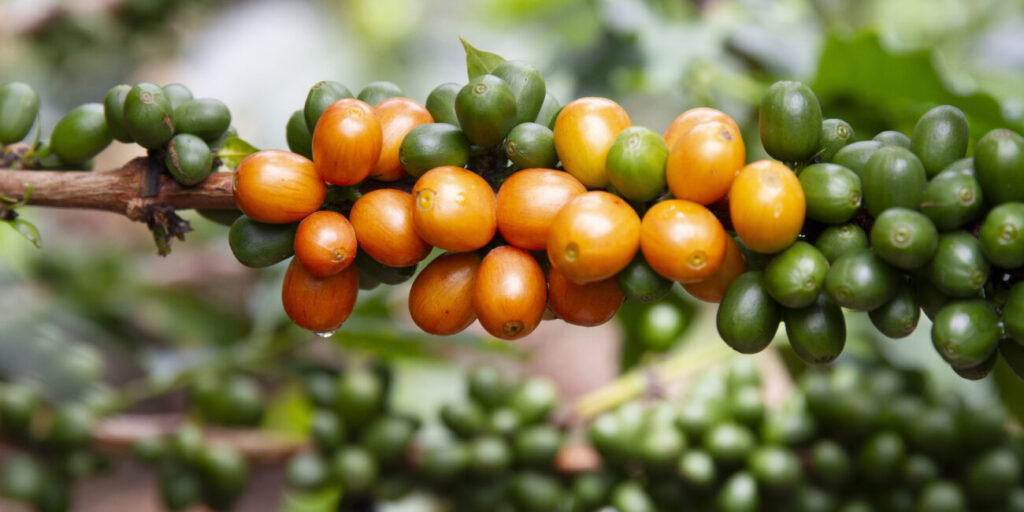
Coffee needs altitude. At higher elevations, cooler temperatures slow the development of the coffee cherry, allowing sugars to accumulate gradually. The result is a denser bean with more complex organic compounds — the chemical foundation of what cup evaluators later describe as brightness, sweetness, and clarity. Colombia's coffee-growing regions sit between 1,200 and 2,000 meters above sea level. Some of the best parcels, in Nariño and in Trujillo, Valle del Cauca, push toward the upper end of that range.
The geography also solved a logistical problem that plagued other producing countries. Because Colombia spans multiple ranges with different harvest seasons, the country can supply fresh coffee almost continuously throughout the year — a significant commercial advantage when buyers require consistent volume.
The Federation and the Idea of Colombian Coffee
Geography explains the potential. The Federación Nacional de Cafeteros — the National Federation of Coffee Growers — explains what happened to it.
Founded in 1927, the FNC was created to represent the interests of Colombian coffee farmers in a market dominated by international traders and commodity speculation. Its early work was largely organizational: setting quality standards, negotiating export terms, building infrastructure in rural areas where roads barely existed.
The 1959 Campaign
"The FNC launched a promotional campaign in the United States introducing Juan Valdez — a fictional Colombian farmer, depicted with his mule Conchita. It was designed to put a human face on a commodity, to suggest that Colombian coffee was the product of individual care rather than industrial processing. By the 1980s, '100% Colombian Coffee' became a quality signal that supermarkets used to justify price premiums."
It is worth being clear about what this was: a marketing achievement as much as a quality one. The FNC was selling Colombian coffee at scale, which meant the average quality in those decades was consistent and commercially reliable, but not extraordinary by today's specialty standards. Juan Valdez moved millions of bags. Most of that coffee scored well below 80 points on the SCA scale that would later define specialty grade.
The Roya Crisis and the Turn Toward Quality
The early 2000s brought a crisis that forced the industry to reconsider its priorities. Coffee leaf rust — la roya, a fungal disease caused by Hemileia vastatrix — devastated Colombian plantations across the country. The Caturra varietal, which had dominated Colombian cultivation for decades due to its high yields, proved almost completely vulnerable. Some farms lost 70 percent of their production in a single season.
The FNC's research arm, Cenicafé, had been developing a disease-resistant hybrid for years. In 2005, it released Castillo — a variety bred to withstand roya while maintaining cup quality. The agricultural community adopted it quickly out of necessity. By 2015, Castillo covered roughly 40 percent of Colombia's cultivated coffee area.
The specialty community's initial reaction to Castillo was skeptical. Hybrids that incorporate robusta genetics — as Castillo does through its Catimor lineage — had historically produced inferior cups. Early cup evaluations were mixed. But as farmers in high-altitude regions began harvesting their first mature Castillo plants, something unexpected happened: the scores were good. At the right altitude, with careful post-harvest processing, Castillo produced cups that competed with traditional varietals.
Third Wave Meets Colombian Origin
The third wave of specialty coffee — the movement that treated coffee as an agricultural product with traceable origin, measurable quality, and a specific flavor identity — found in Colombia an ideal partner. The country had the altitude, the varietal diversity, and, crucially, the organizational infrastructure to supply small, traceable lots to demanding roasters.
American roasters began sourcing directly from Colombian farms in the early 2000s. The model was simple in theory: bypass the commodity market, pay a premium tied to cup quality, and build a relationship with a specific producer. In practice it required trust, logistics, and a shared language of quality — which the SCA cupping protocols provided.
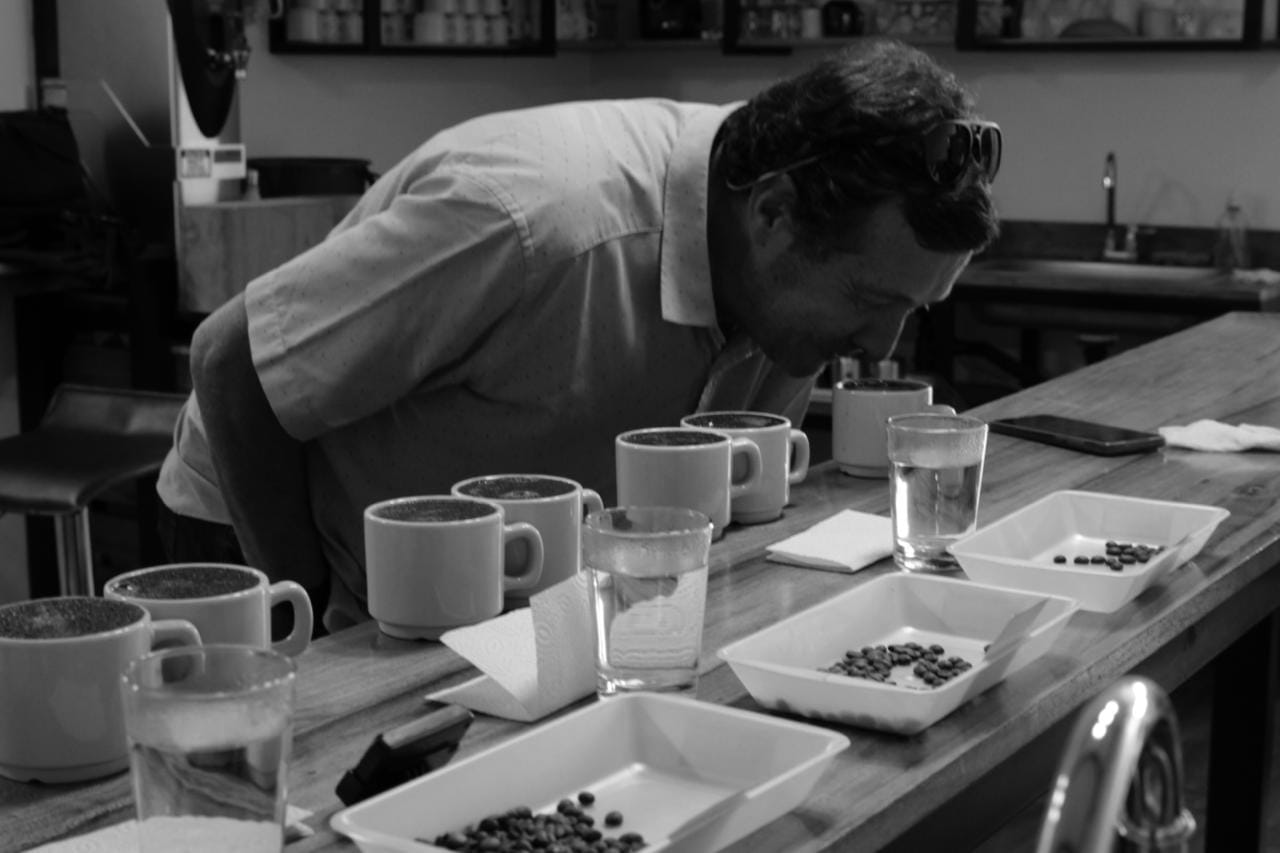
Colombian producers who engaged with this model began entering their coffees in international competitions. The results were striking. Colombian lots began appearing consistently at the top of the Cup of Excellence rankings. Prices at auction for these lots reached numbers that would have seemed fictional to the commodity traders of the 1980s: $50, $80, occasionally more than $100 per pound of green coffee.
Where Things Stand
Today, Colombia is simultaneously a mass commodity producer and a source of some of the most evaluated and sought-after specialty lots in the world. Both things are true. The country exports roughly 12 to 14 million bags of 60 kilograms per year.
But within that volume, a growing fraction is specialty grade — traceable to specific regions, farms, and sometimes individual parcels. The history of Colombian coffee is, in the end, a story about how a country turned a geographic advantage into a brand, and then — through crisis, adaptation, and a shift in market values — began turning that brand into something it could actually justify.
Taste the Evolution
Experience the result of Colombia's modern specialty coffee movement. Our lots are sourced directly from Trujillo, honoring the heritage of the region with uncompromising, modern quality standards.
Shop Ritual Coffee