

Are You Really Drinking Specialty Coffee?
The bag in your kitchen probably says something encouraging. "Premium." "Artisanal." "Small batch." Maybe it even says "specialty grade" in elegant typography.
You paid more for it than you would have for the mass-market brand next to it, and the packaging strongly suggests that the premium price was fully justified.
But does the coffee inside actually meet the rigorous, technical definition of specialty coffee? Or is "specialty" doing the same work that "gourmet" did for frozen dinners—functioning as an empty marketing adjective with absolutely no enforceable meaning?
The Technical Definition
The term "specialty coffee" is not a subjective description of packaging or origin storytelling. It is a strict, highly regulated quality classification established by the Specialty Coffee Association (SCA).
Physical Grading
Done on 350g green sample- Zero Primary Defects (No fully black/sour beans, no stones)
- Max 5 Secondary Defects (Minimizes insect damage, broken beans)
Sensory Evaluation
Cupped by certified Q Graders- Fragrance & Aroma
- Flavor & Aftertaste
- Acidity, Body & Balance
- Must score 80+ out of 100
The SCA Grading Scale
How the Term Got Hijacked
Unlike terms like "Organic", which requires USDA certification, the phrase "specialty coffee" is not legally protected by trade laws in the US.
This regulatory vacuum created a predictable outcome. Coffee that was never evaluated by a Q Grader, never physically graded, and would not score a 75 if it were, started appearing on grocery shelves labeled as "Specialty." The consumer makes the purchase on faith, missing the only thing that verifies the claim: an objective score.
The Corporate Marketing Playbook
- Use warm, craft-oriented language ("micro-roasted", "hand-selected").
- Feature classic origin imagery (misty mountains, hands cradling raw beans).
- Print a heartwarming story about a farming family on the back.
- Price the product slightly above cheap mass-market brands to signal quality.
Indicators of Genuine Specialty
If a coffee has scored an 84 or above, the roaster has every financial and ethical incentive to tell you. Here is what to look for to verify you are buying real specialty coffee:
A Clear Cupping Score
Legitimate roasters are proud of their scores. You will see a specific number ("Cupping Score 85+") or a clear reference to the quality tier. Without it, the claim is unverified.
Precise Roast Date
Real specialty roasters print the exact day it was roasted. A "Best By" date 12 months in the future is a convention designed to hide how long it has sat in a warehouse.
Granular Traceability
Terms like "Colombian Blend" are meaningless. Real specialty provides specific detail: the region, the farm name, altitude, processing method, and botanical varietal.
Engineered Packaging
A real specialty bag will utilize a high-barrier composite to block oxygen, light, and moisture, and will feature a functional, one-way degassing valve.
Frequently Asked Questions
Is "Premium" the same as Specialty?
No. "Premium" has no definition in the coffee industry. It is a commercial filler word used to make a product feel superior without having to back up the claim with data.
Is 100% Arabica the same as specialty coffee?
Absolutely not. Arabica is simply a botanical species. High-yield, defect-ridden commodity coffee sold in massive plastic tubs is often "100% Arabica." Specialty is a quality grade within Arabica that must score 80+.
Why does real specialty coffee cost more?
It bypasses the volatile commodity market. Roasters pay quality-indexed premiums directly to farmers for producing defect-free lots. Plus, hand-harvesting, meticulous sorting, and high-barrier packaging increase costs.
Protect Your Morning Ritual
The next time you consider paying a premium, apply a simple test: Does this bag provide verifiable evidence of quality (a score, a roast date, traceability) or does it provide only assertions?
The distinction between evidence and assertion is the distinction between real specialty coffee and clever marketing. Your morning ritual is worth the difference. So is the farmer who grew it.
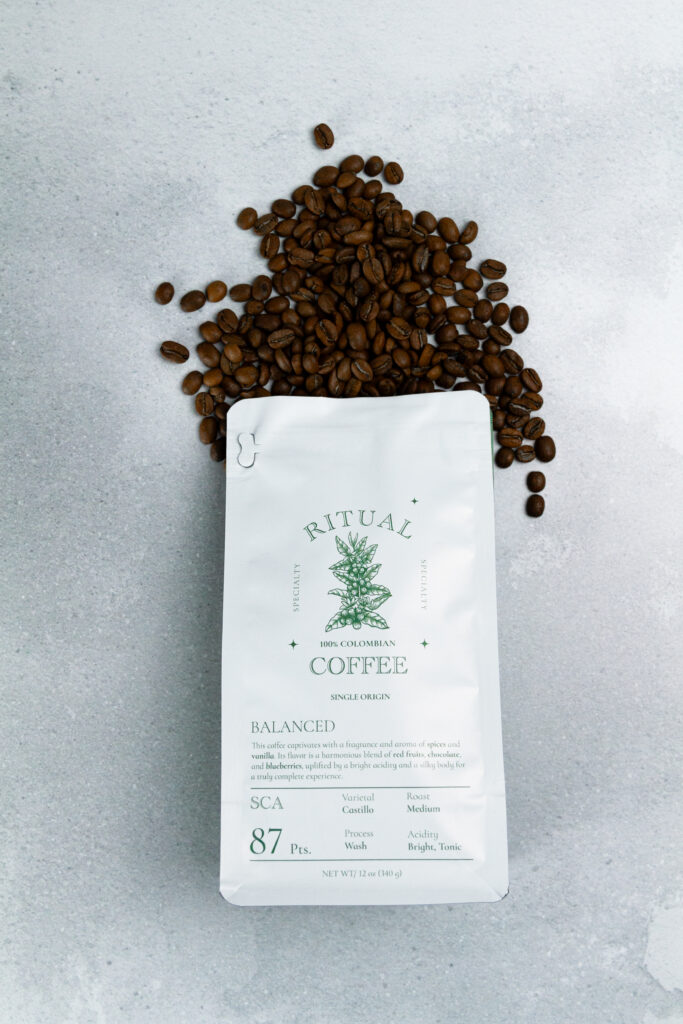
Taste what a verified score means
100% Colombian single origin. Cupping Score 84 to 87, scored by certified Q Graders. Roast date on every bag.
Shop on Amazon