
Sensory Lab · Brew Guides
How to Taste Coffee Like a Q Grader (Without the Cupping Room)
A Q Grader’s job looks, from across a warehouse, like a strange kind of ritual in its own right: a person leaning over a row of small bowls, spoon in hand, slurping loudly and spitting into a cup, writing notes between each pass. It looks eccentric because most of what it’s doing — training attention to notice things a casual sip skips past — has no everyday equivalent. But the method behind it is learnable, and none of it requires a warehouse.
What a Q Grader Actually Is
The Q Grader credential is administered by the Coffee Quality Institute, and earning it means passing a multi-part exam testing a taster’s ability to identify origins, detect defects, and score coffee consistently against a shared standard. The standard itself — the SCA Cupping Protocol — isn’t the certification. It’s the method. The certification is proof that someone can apply that method reliably, cup after cup, without their own palate quietly drifting over time.
The full professional cupping form evaluates ten separate categories: fragrance and aroma, flavor, aftertaste, acidity, body, balance, uniformity, clean cup, sweetness, and overall impression — each scored from 6 to 10 in quarter-point increments, for a maximum of 100. Eighty points is the line that separates specialty grade from everything below it. For a first attempt at home, the full ten-category form is more precision than is useful. The five categories that shape most of what an ordinary drinker actually perceives — fragrance and aroma, flavor, acidity, body, and aftertaste — are the ones worth learning first, with the remaining five becoming relevant later, once side-by-side comparison starts to matter.
Setting Up a Home Cupping
The protocol itself is simple and doesn’t require special equipment beyond what most kitchens already have. Grind coffee to a consistency close to coarse sand — a touch coarser than typical drip grind — using roughly 8.25 grams per 150 milliliters of water, just off boiling, around 93°C. Pour the water directly over the dry grounds in a cup or bowl, without stirring, and let it sit undisturbed for four minutes.
The first thing to evaluate happens before any water touches the bowl. Smell the dry grounds. Note what’s there — bright, sweet, earthy, nutty, floral — before any brewing has begun. This is fragrance. Then, after the four-minute steep, break the crust that’s formed on the surface with three gentle stirs of a spoon, and lean in close as it breaks. This burst of aroma, released from the wet grounds, is distinct from the dry fragrance and often more intense. This is aroma proper, and professional cuppers score the two separately for a reason — a coffee’s dry fragrance and its wet aroma don’t always agree.
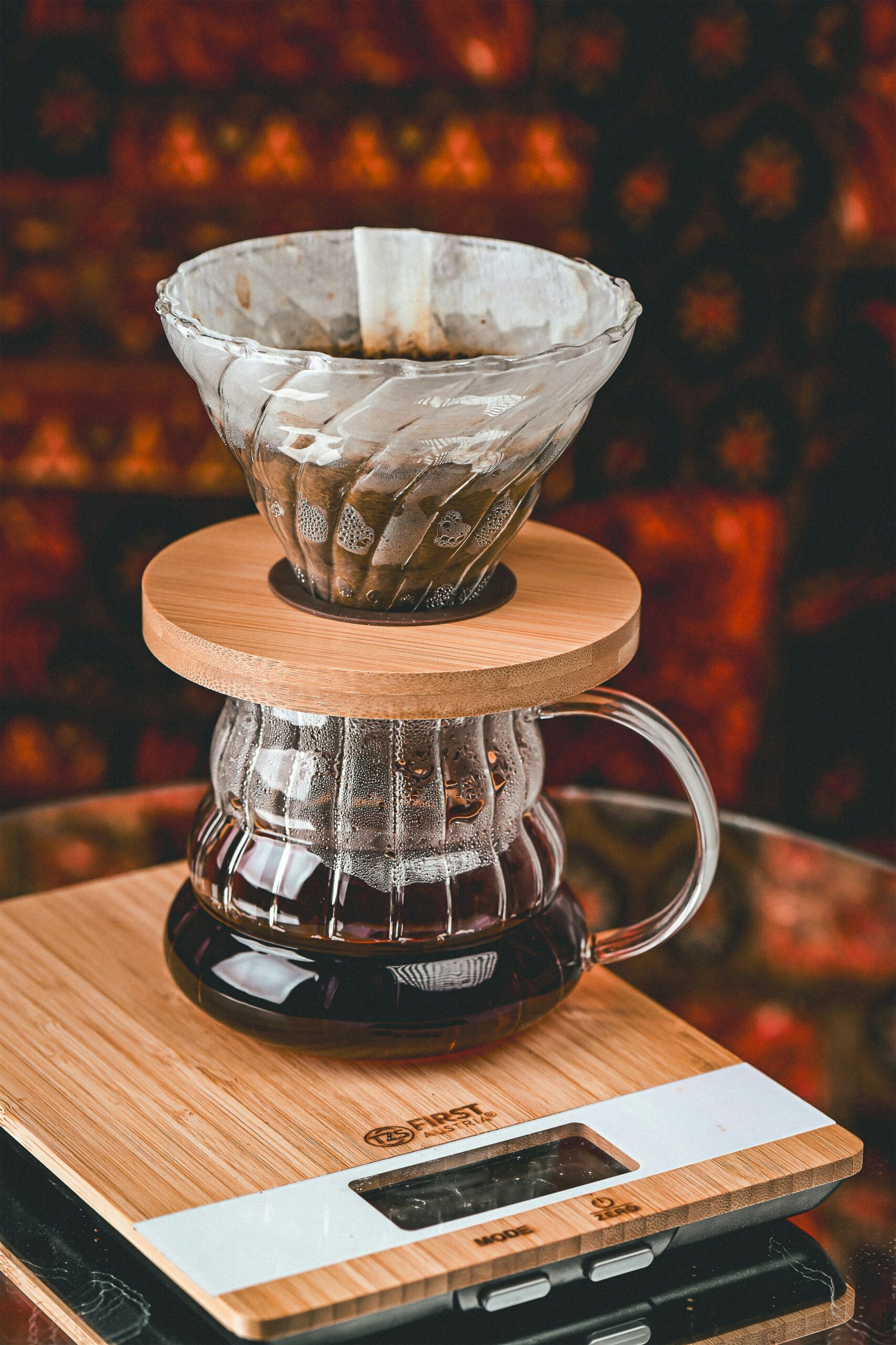
Tasting: The Slurp Isn’t Optional
Once the crust is skimmed clean of floating grounds, the actual tasting begins — and it requires a technique that feels unnatural the first several times: a hard, aspirating slurp that pulls the coffee across the entire tongue and atomizes it toward the back of the palate. This isn’t affectation. The forceful slurp carries aromatic compounds up into the nasal cavity from behind, through what’s called retronasal olfaction — the mechanism responsible for most of what people experience as "flavor," as distinct from the handful of basic tastes the tongue detects directly.
Evaluate at three different temperatures, because perception shifts as coffee cools. Around 70°C, acidity is most pronounced, and this is the pass where obvious defects tend to reveal themselves first. Around 55°C, most of the flavor and aftertaste assessment happens — this is where sweetness becomes easier to detect against everything else. By 38°C, subtler qualities the heat had been masking often surface for the first time.
Acidity, in this context, doesn’t mean sourness. It refers to the bright, lively quality — closer to what makes a green apple taste crisp than what makes vinegar taste sharp — that separates a well-processed specialty coffee from a flat, dull one. Body refers to the physical weight of the liquid on the tongue: thin and tea-like at one end, heavy and syrupy at the other, with neither end inherently better than the other. Aftertaste is simply what lingers after swallowing: how long it lasts, and whether what lingers is pleasant or not.
Taking Notes That Actually Accumulate
The SCA/WCR Sensory Lexicon and its accompanying flavor wheel exist to solve a specific problem: without shared vocabulary, two people can taste the same coffee and describe it in language that doesn’t overlap at all. Using the wheel’s categories — fruity, floral, nutty, chocolatey, and so on — as a starting vocabulary, rather than reaching for whatever adjective comes first, is what turns a single tasting into part of a growing, comparable record rather than an isolated impression that fades by the next cup.
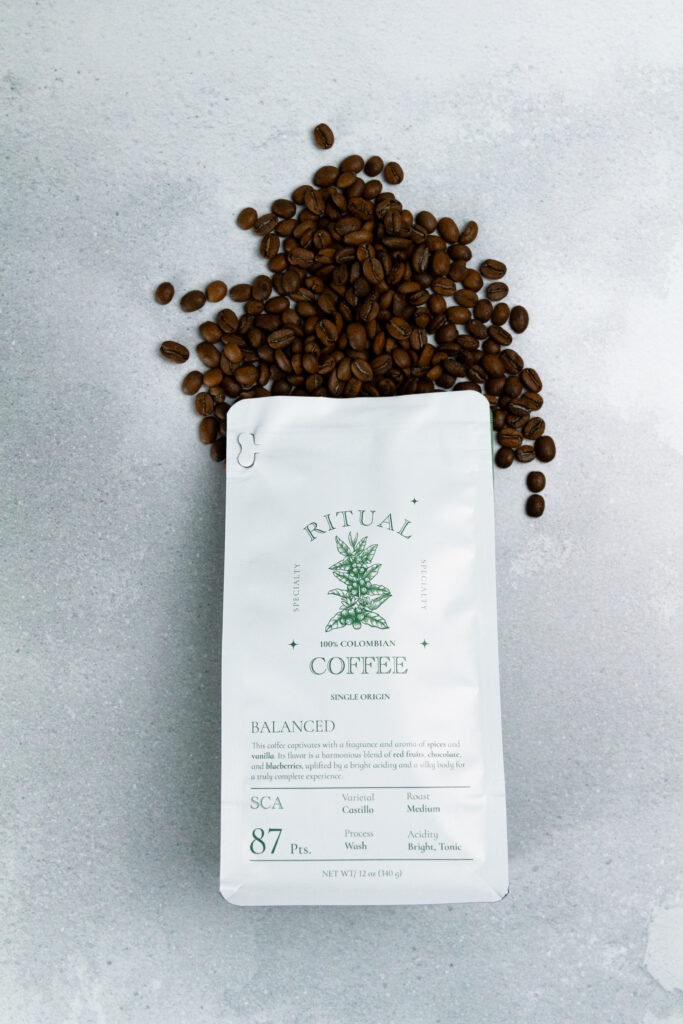
The habit that actually builds a palate over time isn’t a single careful cupping. It’s comparison — tasting the same coffee at different points during its freshness window, or tasting two origins side by side, and writing down, in the same handful of categories each time, what differs. Six months of notes taken this way teach more than any single afternoon spent trying to taste everything at once. A coffee that’s already been scored by an independent Q Grader — Ritual’s own lots are, at 84 to 87-plus — gives that comparison a fixed point to check personal notes against, rather than guessing in a vacuum.
None of this requires the vocabulary of a hipster cupping room, and none of it requires condescension toward a beginner. It requires attention, a spoon, a notebook, and the willingness to slurp loudly in a kitchen where no one else is watching.
Sources
Coffee Quality Institute (CQI), Q Grader certification exam structure.
Specialty Coffee Association, official Cupping Form and Cupping Protocol.
Podium Coffee Club, "The SCA Cupping Protocol, Step by Step," June 2026.
Coffee Basics Pro, "SCA Cupping Protocol Step-by-Step," 2025.
GEVI, "SCA Cupping & Home Coffee Tasting: Pro Steps & Home Tips," April 2026.
SCA/World Coffee Research (WCR) Sensory Lexicon and Flavor Wheel.
You deserve a better coffee.
Shop the coffeesTaste what a verified score means
100% Colombian single origin. Cupping Score 84 to 87, scored by certified Q Graders. Roast date on every bag.
Shop on Amazon