Cold brew is not iced coffee. This distinction matters more than most people realize, because the two methods produce fundamentally different beverages through entirely different chemistry.
Iced coffee is simply hot-brewed coffee poured over ice—a process that flash-chills the liquid but preserves the high acidity, volatile oils, and potential bitterness of a standard hot extraction. Cold brew, on the other hand, never touches hot water. It is a slow, patience-driven process that extracts flavor compounds through time rather than heat, producing a concentrate that is naturally smooth, low in perceived acidity, and remarkably forgiving to prepare.
The Chemistry of Cold Extraction
Temperature is the primary variable that dictates which compounds are pulled out of the coffee bean and into your water.
Hot Extraction
195°F - 205°F- Solutes dissolve rapidly in 2-4 minutes.
- Rapid acid oxidation occurs.
- Extracts bitter chlorogenic acid lactones.
- Profile: Bright, acidic, and highly complex.
Cold Extraction
34°F - 70°F- Solutes dissolve slowly over 16-24 hours.
- Selective, low-acid extraction.
- Leaves bitter acids bound inside grounds.
- Profile: Sweet, chocolatey, low-acid.
Because those bitter acids remain bound inside the coffee grounds, cold brew is chemically lower in titratable acidity—frequently showing a 60% reduction compared to its hot-brewed counterpart. The result is a naturally low acid cold brew with a round, chocolatey flavor profile.
Choosing the Right Coffee
Not all coffees perform equally when subjected to cold extraction. The slow, heat-free process amplifies certain flavor characteristics while completely muting others.
What to Avoid
Coffees with extremely delicate, floral, or highly citric profiles—such as an 88+ cupping-scored washed Ethiopian heirloom—are generally wasted in cold brew. The process mutes the volatile floral aromatics that make these coffees exceptional.
What Thrives (The 84-Point Sweet Spot)
Coffees with inherently smooth, chocolatey, nutty, and sweet profiles are the absolute champions. The extended extraction time deepens their natural sweetness and body. The ideal bean is a high-quality, single origin Colombian coffee sitting in the 84-point range on the SCA scale. It delivers a highly consistent, chocolatey flavor profile without the bitterness of cheap commercial beans.
The Perfect Recipe
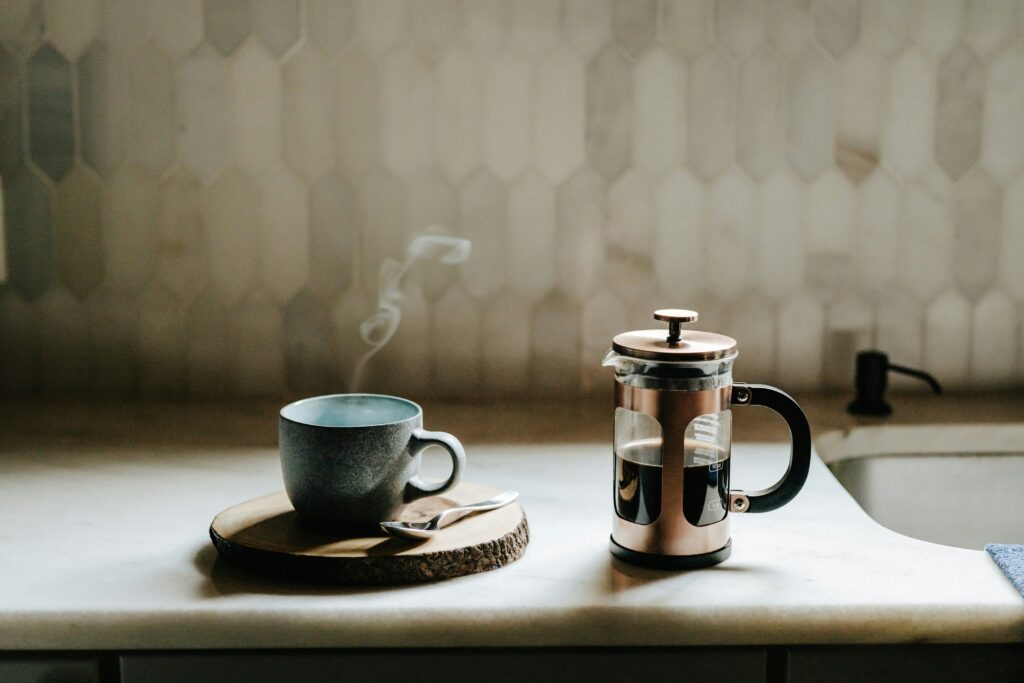
The beauty of cold brew is its simplicity. You do not need a specialized brewer; a simple glass jar, pitcher, or French press works perfectly.
Cold Brew Concentrate
Ratio 1:5
Mix & Stir
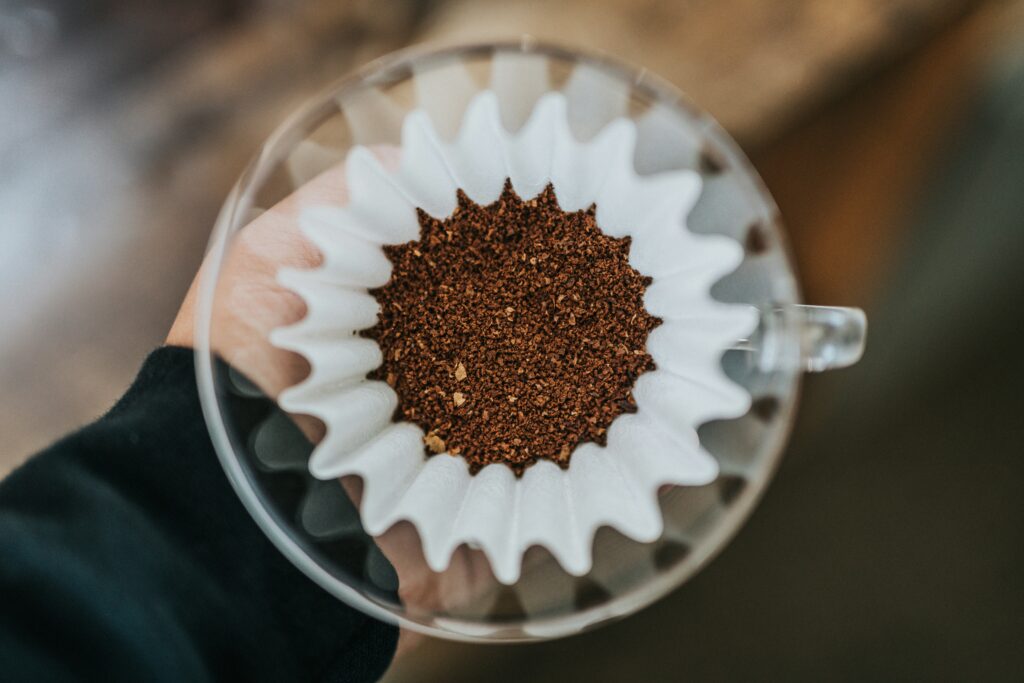
Add coarse coffee to your vessel. Slowly pour the water over the grounds. Gently stir to ensure full saturation and avoid dry pockets.
Steep Cold
Cover tightly. Let it steep in the refrigerator for 18 to 20 hours. (If steeping at room temp, reduce to 12-14 hours).
Slow Filter
Pour through a fine-mesh strainer, then again through a paper filter. Do not squeeze the grounds, let gravity do the work.
Troubleshooting
My brew tastes bitter or harsh
Your grind size was too fine, or you steeped it for too long. Coarsen your grind and limit your next steep to 18 hours.
My brew tastes weak and watery
Your grind was likely too coarse, your steep time was too short, or you used too much water. Extend the steep to 22 hours or increase the coffee ratio.
Frequently Asked Questions
What is the best cold brew ratio?
For a rich concentrate, the best ratio is 1:5 (coffee to water by weight). For a ready-to-drink batch that does not need dilution, use a 1:12 to 1:15 ratio.
How long should you steep it?
In the refrigerator, the sweet spot is between 18 and 20 hours. Less than 16 hours results in a weak brew, while over 24 hours extracts bitter compounds.
Is it lower in caffeine than hot coffee?
Actually, cold brew is typically higher in caffeine due to the much higher ratio of coffee-to-water and the massive extraction window. Always dilute it if you are sensitive.